
These are fictional demo prices meant to show transparent website presentation. Actual repair pricing varies by year, make, model, parts selection, labor access, taxes, shop supplies, and what testing finds.
For warning lights, drivability concerns, electrical faults, no-starts, and symptoms that need testing before parts.
Typical starting scope: Initial concern verification and first diagnostic testing block.
Additional diagnostic time is quoted if the fault requires deeper circuit, mechanical, or intermittent testing.
For squeal, grinding, pulsation, soft pedal, pulling, ABS concerns, or brake wear questions.
Typical starting scope: Road-test where safe and inspection of the braking components related to the complaint.
Price is for inspection. Repairs are quoted after condition and required parts are confirmed.
A common starting point when pads and rotors are needed together on a straightforward passenger vehicle.
Typical starting scope: Standard pads, standard rotors, and typical labor for one axle.
Calipers, electronic parking-brake procedures, premium/performance parts, hardware, corrosion, and vehicle-specific labor can change price.
Routine engine-oil and filter service using the correct oil specification for the vehicle.
Typical starting scope: Up to 5 quarts of standard full-synthetic oil, standard filter, and quick visual service check.
Extra capacity, cartridge filters, specialty specifications, skid plates, and diesel applications may cost more.
For slow cranking, clicks, repeated jump starts, battery warnings, or charging concerns.
Typical starting scope: Battery state/condition check and basic starting/charging-system test.
Electrical diagnosis beyond the starting/charging system is quoted separately if required.
For overheating, coolant loss, no cabin heat, temperature warnings, fan concerns, or visible leaks.
Typical starting scope: Concern verification plus initial cooling-system inspection/testing.
Pressure testing, leak tracing, electrical fan diagnosis, combustion-gas testing, or deeper engine diagnosis may require added time.
For clunks, looseness, wandering, pull, uneven tire wear, ride-quality changes, or vibration concerns.
Typical starting scope: Inspection of the relevant steering/suspension/wheel components and tire condition.
Alignment, tire balancing, wheel-bearing diagnosis, or driveline testing may be separate based on symptoms.
For warm air, intermittent cooling, unusual compressor behavior, or poor vent temperature.
Typical starting scope: Performance check and initial system testing before repair recommendation.
Refrigerant type, leak detection, evacuation/recharge, electrical faults, and component replacement change final pricing.
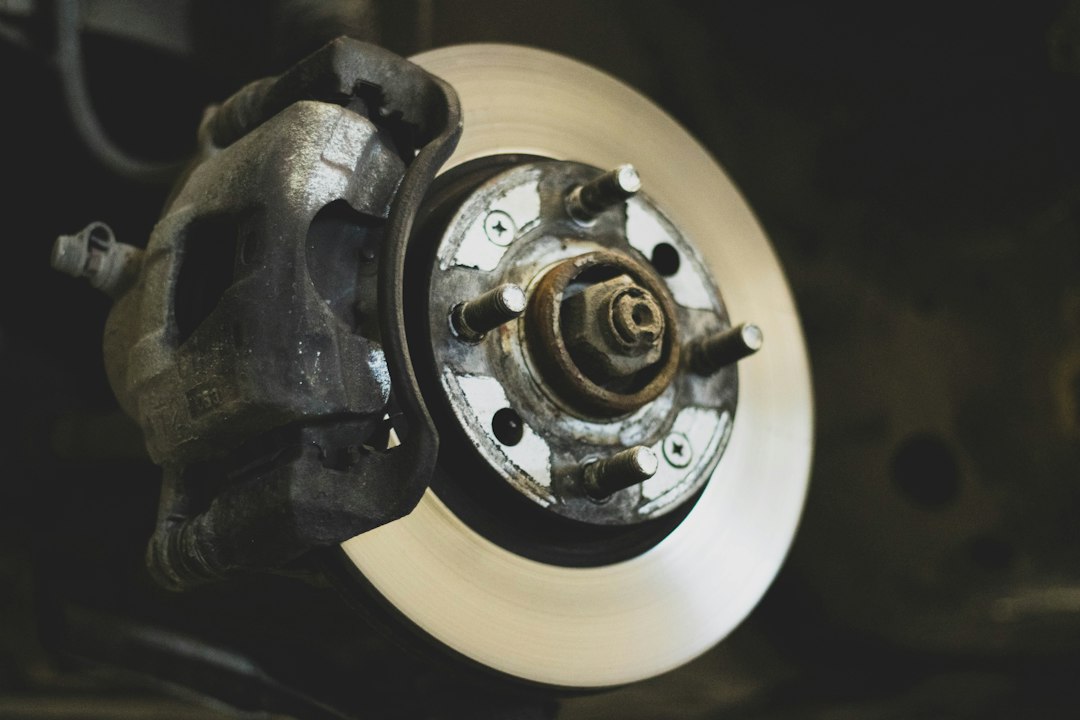
A useful repair website can show the customer the likely entry point while clearly explaining what changes the price. That is more informative than hiding every number—and more responsible than promising a flat price that only fits one vehicle.
Access, design, corrosion, electronic procedures, calibration, and model-specific service steps can significantly change labor time.
Economy, OE-equivalent, OEM, severe-duty, performance, and specialty components can have very different parts costs and warranties.
A symptom can have more than one cause. The repair estimate should follow testing rather than forcing the customer into the most obvious part replacement.
Real implementation should state whether taxes, environmental fees, shop supplies, disposal, or similar charges are included in published starting prices.
Warning lights, no-starts, drivability, electrical faults, intermittent concerns.
Pads, rotors, hydraulic concerns, ABS-related symptoms, noise, pulsation, pedal feel.
Shocks, struts, bearings, joints, vibration, pull, looseness, tire wear.
Overheating, coolant leaks, heater performance, fans, A/C, temperature concerns.
Misfires, rough running, stalling, leaks, ignition faults, lack of power.
Battery, charging, starting, wiring, lighting, accessory faults, parasitic draw.
Oil, filters, fluids, plugs, belts, inspections, and manufacturer schedules.
Pre-trip inspection, tires, fluid checks, warning lights, and obvious safety concerns.
Select “I’m not sure” in the service form and describe exactly what the vehicle is doing.