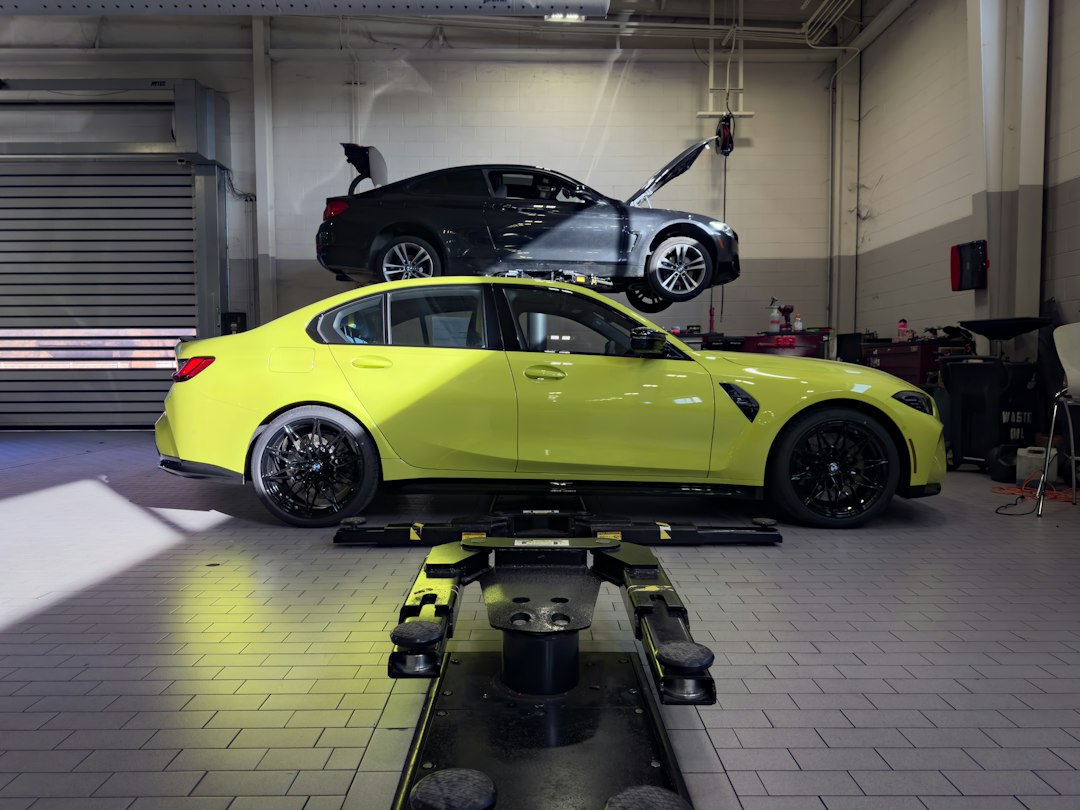
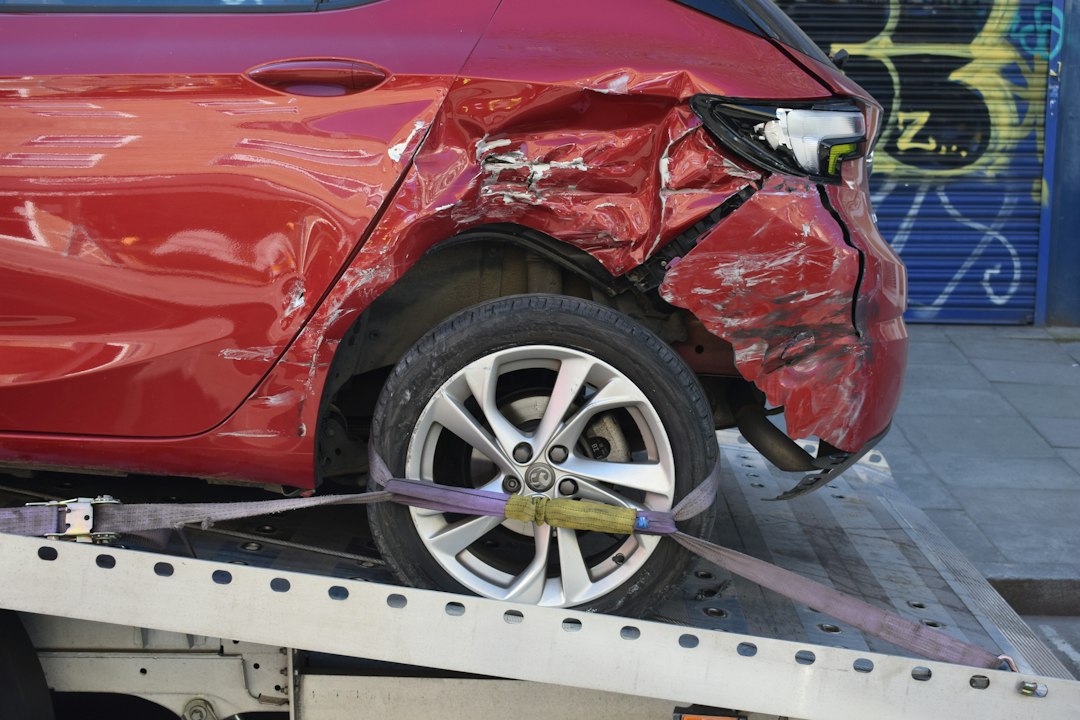
Visible damage, measurements, affected systems, part relationships and repair access.
Disassembly
Remove necessary trim/panels to expose hidden damage and confirm the repair scope.
Structural measurement
Measure where appropriate before deciding whether correction or component replacement is needed.
Body + structural repair
Metal/plastic repair, structural corrections, replacement, welding, bonding and fastener procedures.
Refinish + corrosion
Restore substrates, seams, coatings, color, clearcoat and corrosion protection.
Scan + calibration
Post-repair scanning and required calibrations based on vehicle systems and repair operations.
Repair vs. replace is not just a price question.
The correct decision can depend on material type, crush/deformation, access, part availability, sectioning locations, heat restrictions, attachment method, OEM procedures, corrosion strategy, and system integration.
Fasteners, clips, adhesives, labels, restraints and other items may be required because of procedure, damage or disassembly.
VEHICLE NOT DRIVABLE?
Tow it into the same repair workflow.
The premium intake separates drivable from non-drivable vehicles and captures current location, claim status, airbags, wheel/tire damage, fluid loss, and damage area before the shop calls back.