
Automotive window film for drivers who want glare reduction, UV filtering, added privacy, and a more finished exterior appearance without making the service feel like an accessory afterthought.
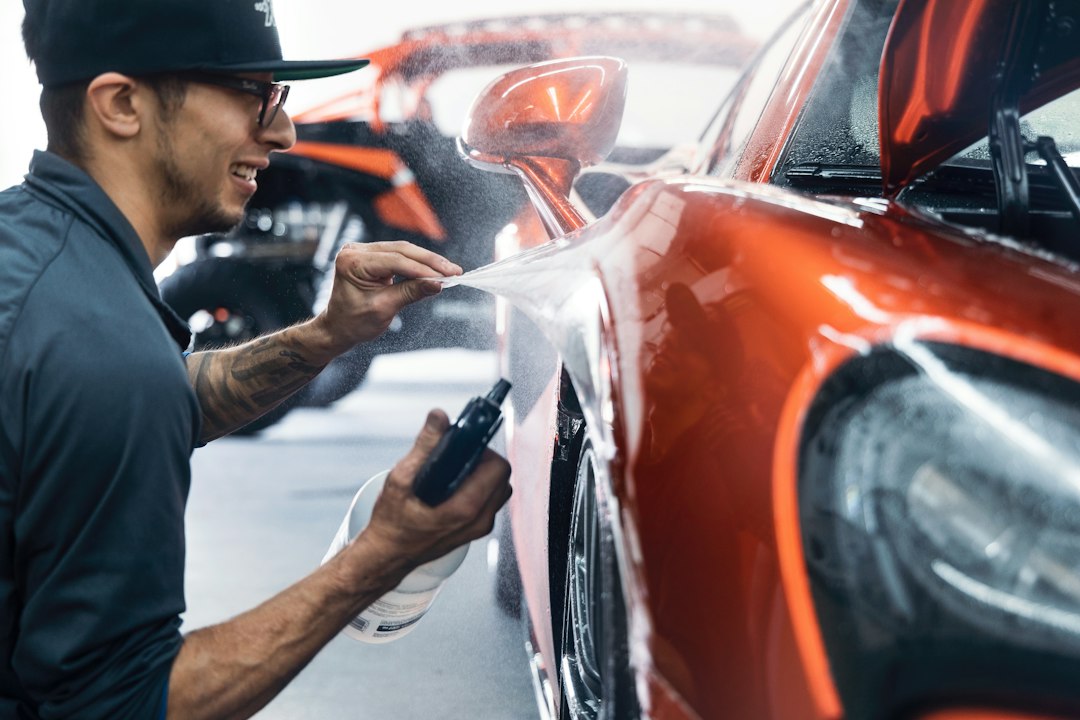
Higher-performance films can reduce solar heat entering through the glass and improve cabin comfort.
Shade selection can change how exposed the cabin feels while preserving usable outward visibility.
Quality automotive film can block a substantial portion of UV exposure through treated glass.
Consistent film across the vehicle creates a more deliberate, finished glass line.
Vector’s premium service page explains film construction and use case before asking for a quote.
A value-oriented option for customers focused primarily on shade and appearance. Exact performance varies by film line.
Often selected as a step up for drivers who want a deeper non-metallic appearance and stronger performance characteristics.
Designed for customers prioritizing heat rejection and optical quality without relying on an extremely dark shade.
Windshield film and sun strips should be chosen with applicable state/local rules, vehicle sensors, and safe visibility in mind.
That depends on privacy goals, night visibility, existing factory privacy glass, local legal limits, and whether heat control or darkness is the main priority.
Factory-tinted/privacy glass and aftermarket window film are different products. Performance depends on the actual glass and film specifications.
Cure guidance varies with film, installation conditions, weather, and vehicle. A real implementation can publish the shop’s specific aftercare instructions.
Film type and vehicle technology matter. Modern non-metallic films are often chosen when signal/interference concerns are relevant.
The estimate intake can now route collision, cosmetic, tint, and paint-protection customers through the same premium conversion system.